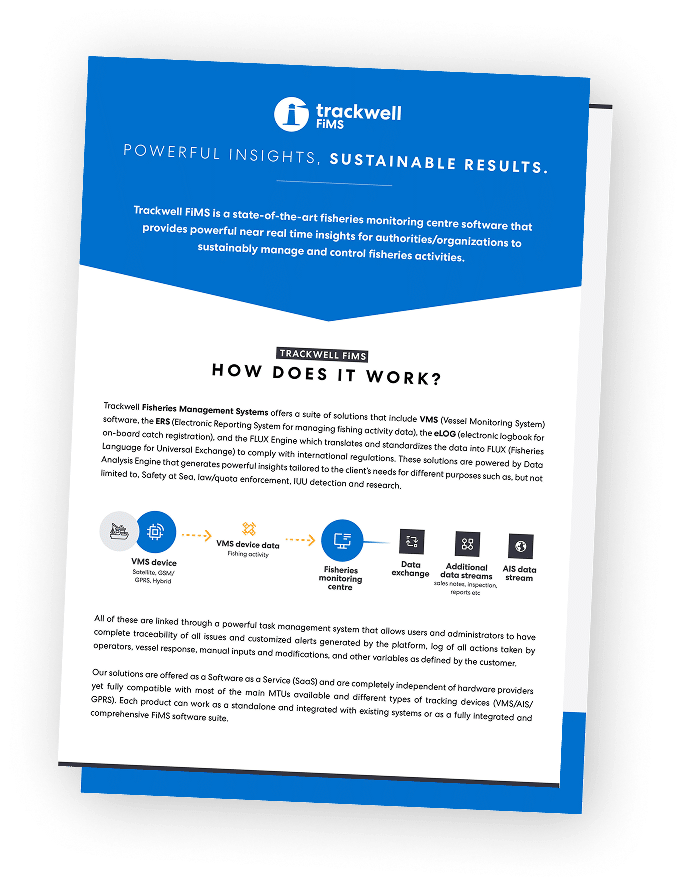
FLUX-Enabled Data Exchange Across Borders

As global fisheries management becomes more data-driven, countries and RFMOs are adopting the Fisheries Language for Universal Exchange (FLUX) as the standard for sharing fisheries information across borders. For fisheries authorities, FLUX data exchange is now the most reliable way to cooperate internationally. FLUX creates a common digital language for fisheries reporting. It covers vessel activity, fishing operations, catch, and authorizations. The result is cooperation that is faster, more transparent, and far more reliable than traditional formats.
How AIS and VMS vessel data can work together
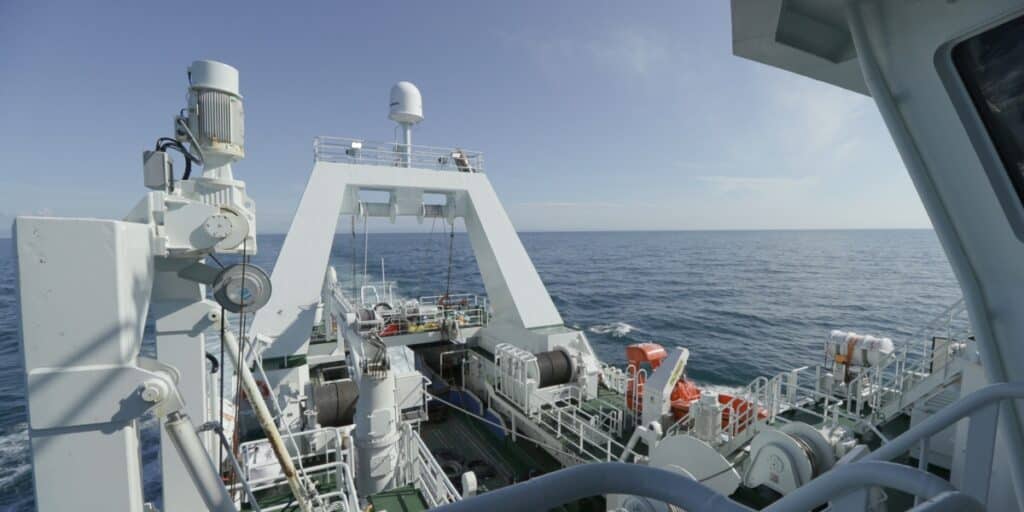
Modern fisheries monitoring relies on a combination of technologies to provide a complete picture of vessel activity at sea. Two of the most widely used tools for data streams are the Automatic Identification System (AIS) and the Vessel Monitoring System (VMS). While these systems often appear similar on the surface as both provide vessel positions, but they serve different purposes, operate under different rules, and offer different levels of reliability for monitoring and compliance.
Defining Maritime Situational Awareness (MSA) in Modern Fisheries
Trackwell VMS integrated weather and oceanographic data for situational awareness at sea.
Enhancing Safety and Situational Awareness at Sea: Integrating Oceanographic & Weather Data with VMS
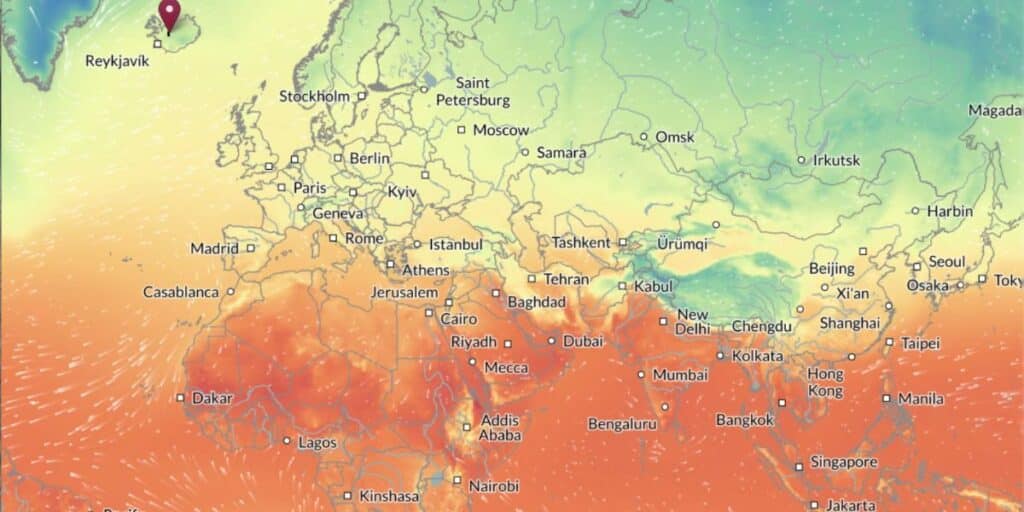
Modern fisheries monitoring is no longer just about vessel positions. Maintaining Situational Awareness at Sea has become a fundamental need as weather patterns grow more unpredictable and maritime operations become more complex. Fisheries Monitoring Centres (FMCs) require a clearer, more complete picture of what is happening at sea to ensure fleet safety. That’s why Trackwell […]
Icelandic Coast Guard Monitors All Foreign Fishing Activity Near Icelandic Waters
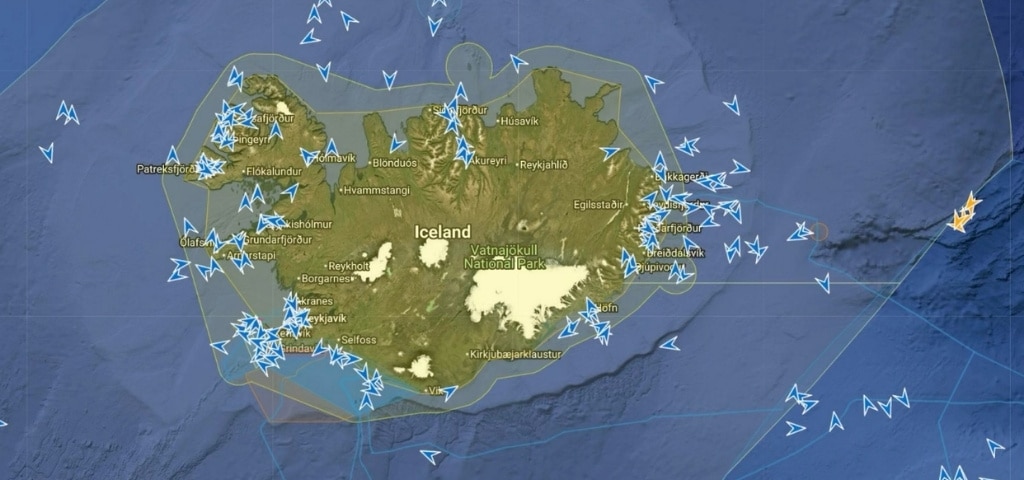
The Icelandic Coast Guard has reported increased foreign fisheries monitoring activity in recent days after five Russian fishing vessels were observed operating just outside Iceland’s Exclusive Economic Zone (EEZ). The vessels were detected during routine surveillance carried out from the Coast Guard’s operations centre in Skógarhlíð, Reykjavík. According to the Coast Guard, a total of 295 […]